NYC Subway With a Stroller: Elevators, Etiquette, What to Avoid
Strollers are allowed on the NYC subway, and about three in ten stations are accessible. Here's how to check the elevators, which stations to plan around, and what to avoid.

Strollers are allowed on the NYC subway, and about three in ten stations are accessible. Here's how to check the elevators, which stations to plan around, and what to avoid.
Strollers are allowed on the NYC subway as long as you're using them to carry a child; the MTA says to fold the stroller and carry your child on stairs and escalators, and use elevators when possible. In the MTA's data, 125 of 445 station complexes are fully accessible and 15 are partly accessible, so check the MTA's elevator status page before every trip. Up to three children under 44 inches ride free with a paying adult, and the fare is $3.
Checked October 5, 2026. Station accessibility comes from the MTA's own data and station pages, and elevators break, so the MTA's live status page is the one to trust on the day.
The NYC subway with a stroller is a team sport, and the opposing team is a turnstile. It can be done, parents do it every day, and it goes a lot better if you know three things before you leave the apartment or the hotel: which stations have elevators, how to check that they're working, and where to put the stroller once you're on the train. Every accessibility claim here comes from the MTA, and I say "accessible" only when the MTA lists the station that way.
One more change to know about: the MTA says MetroCard is being phased out as of January 1, 2026, in favor of tap-and-ride with OMNY or a contactless card. If you're visiting, your phone or a bank card is the ticket.
Elevators are like the weather in New York. Check before you go out, and have a plan B in your bag.
The MTA's elevator and escalator status page defaults to showing elevators only, and only the stations with outages. You can also sign up for free alerts, and some equipment is privately managed, so back-in-service times for those are estimates.
Check before you leave, then again before you change trains, and pick a plan B station: a second accessible stop on the same line, or a bus. An elevator that was fine at 9am is a promise, not a guarantee, by 2pm.
The MTA's station pages say many Manhattan, Bronx, Queens and Brooklyn stations have AutoGates, for customers who can't use a turnstile, including people with mobility devices, strollers, bikes or suitcases. The page doesn't spell out how to open one, so if you can't see how, ask the station agent. Don't lift a stroller over a turnstile. Somebody, usually a stranger, ends up holding the other end, and nobody enjoys that.
The MTA says every local and Select Bus Service bus in the New York City Transit fleet will have a designated area for an open stroller by the end of 2026. The rules: one open stroller per bus, child secured, brakes on, a hand on the stroller while the bus moves and the aisle clear. If the space is taken, you must fold yours. Strollers used to have to be folded before boarding most buses, so for a toddler who won't ride in a carrier this is a real change.
All of these are listed as accessible by the MTA, with elevator locations from its station pages. Treat them as a map, not a promise.
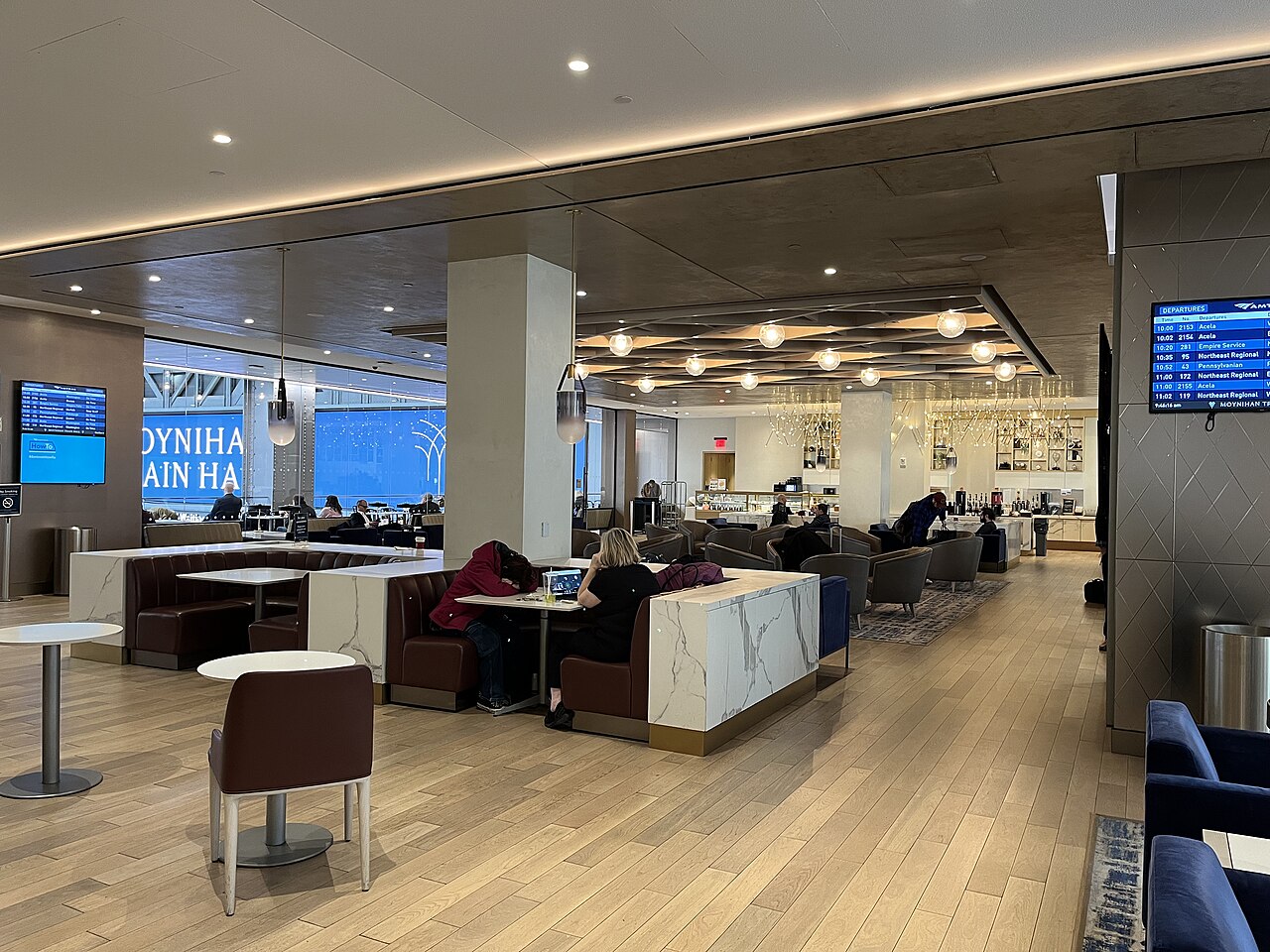
Two accessible stations in one neighborhood: A/C/E under Seventh Avenue and 1/2/3 under Eighth. The MTA lists elevators at 33rd Street and Seventh Avenue, at the LIRR entrance on 34th Street and Seventh, and at 34th Street and Eighth Avenue. If you're waiting for a train, Moynihan Train Hall across Eighth Avenue is open daily 5am to 1am.
Practical
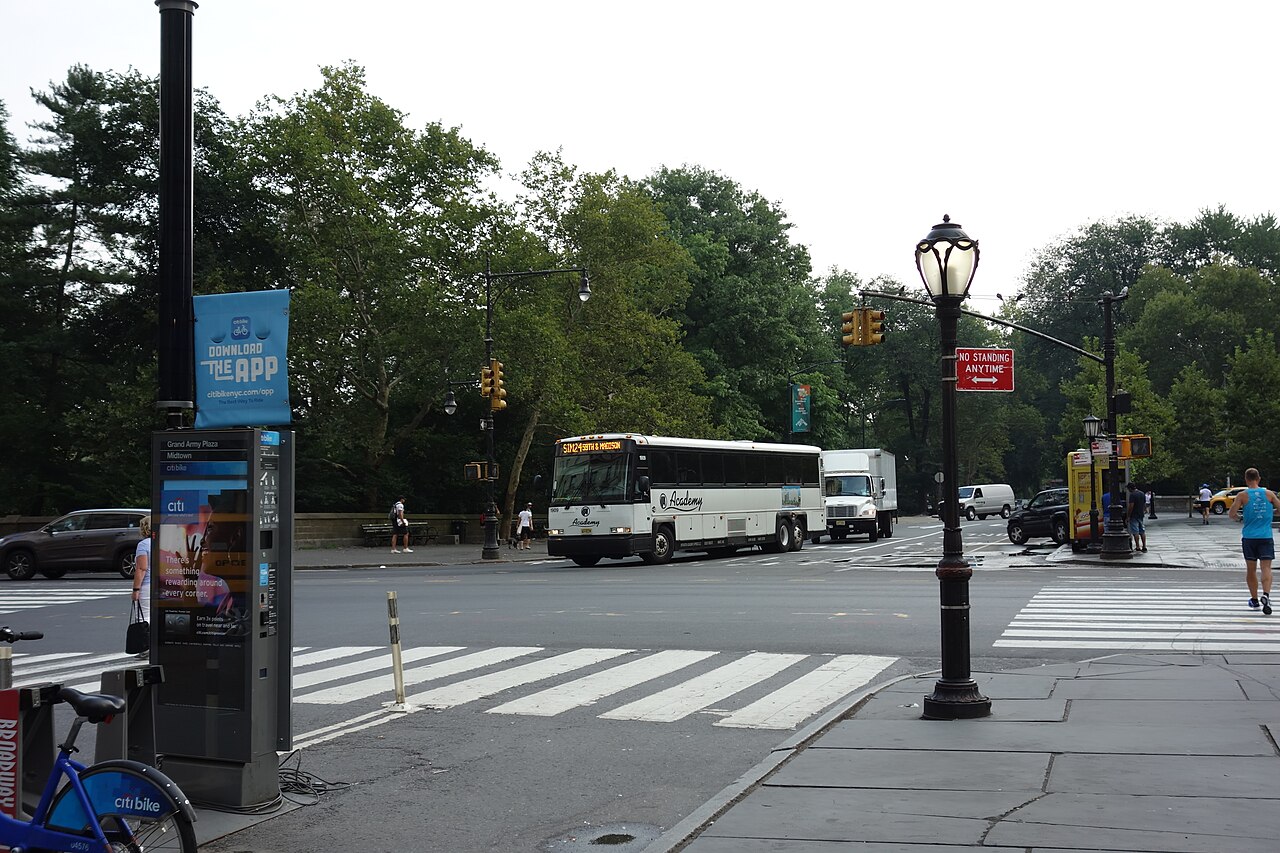
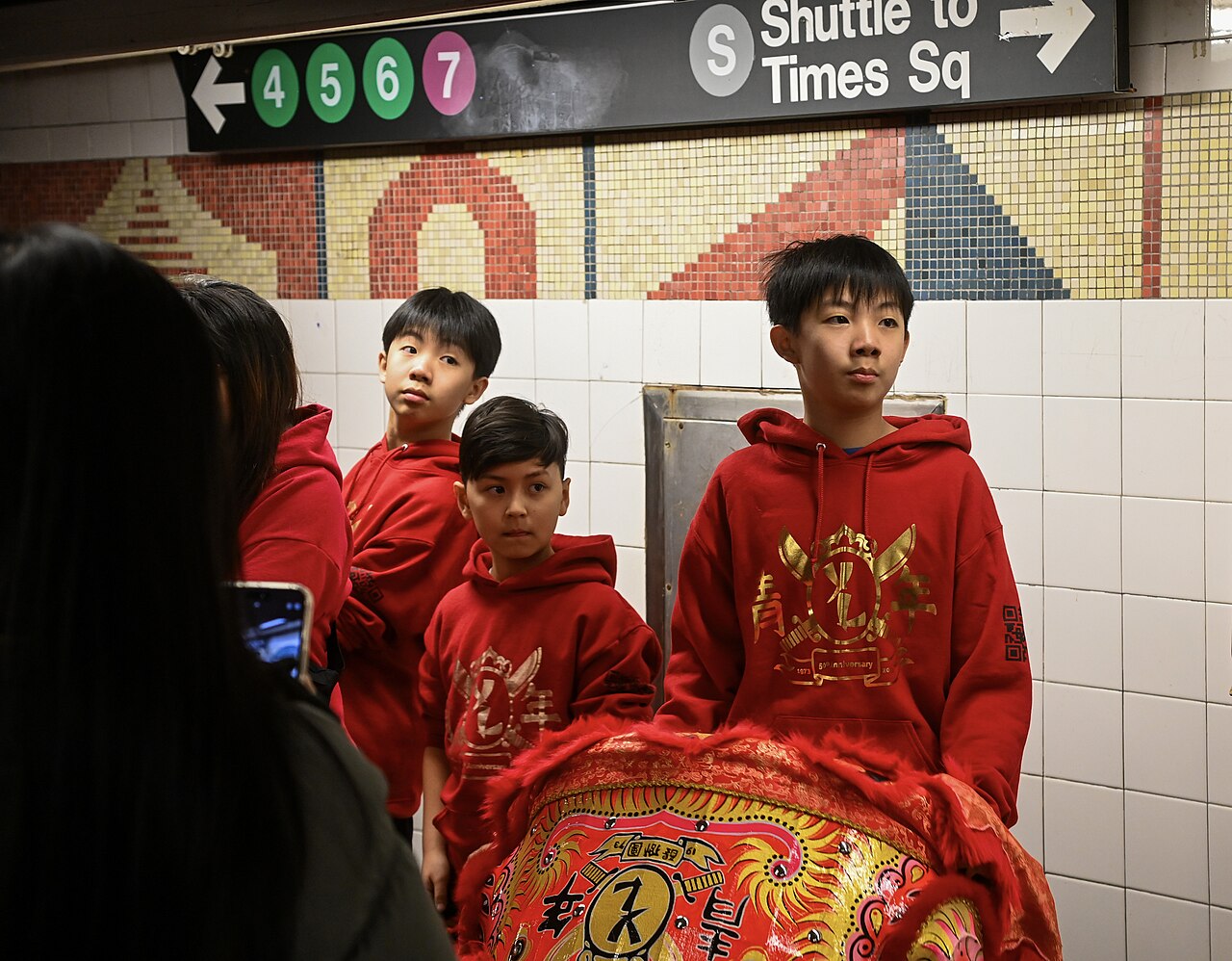
The 4/5/6, 7 and S are all listed as accessible here. The MTA says the elevator is inside the main entrance, to the right of the terminal on East 42nd Street between Park and Lexington. The terminal is open to the public daily 5:15am to 2am. The station is enormous, so give yourself time and a coffee.
Practical
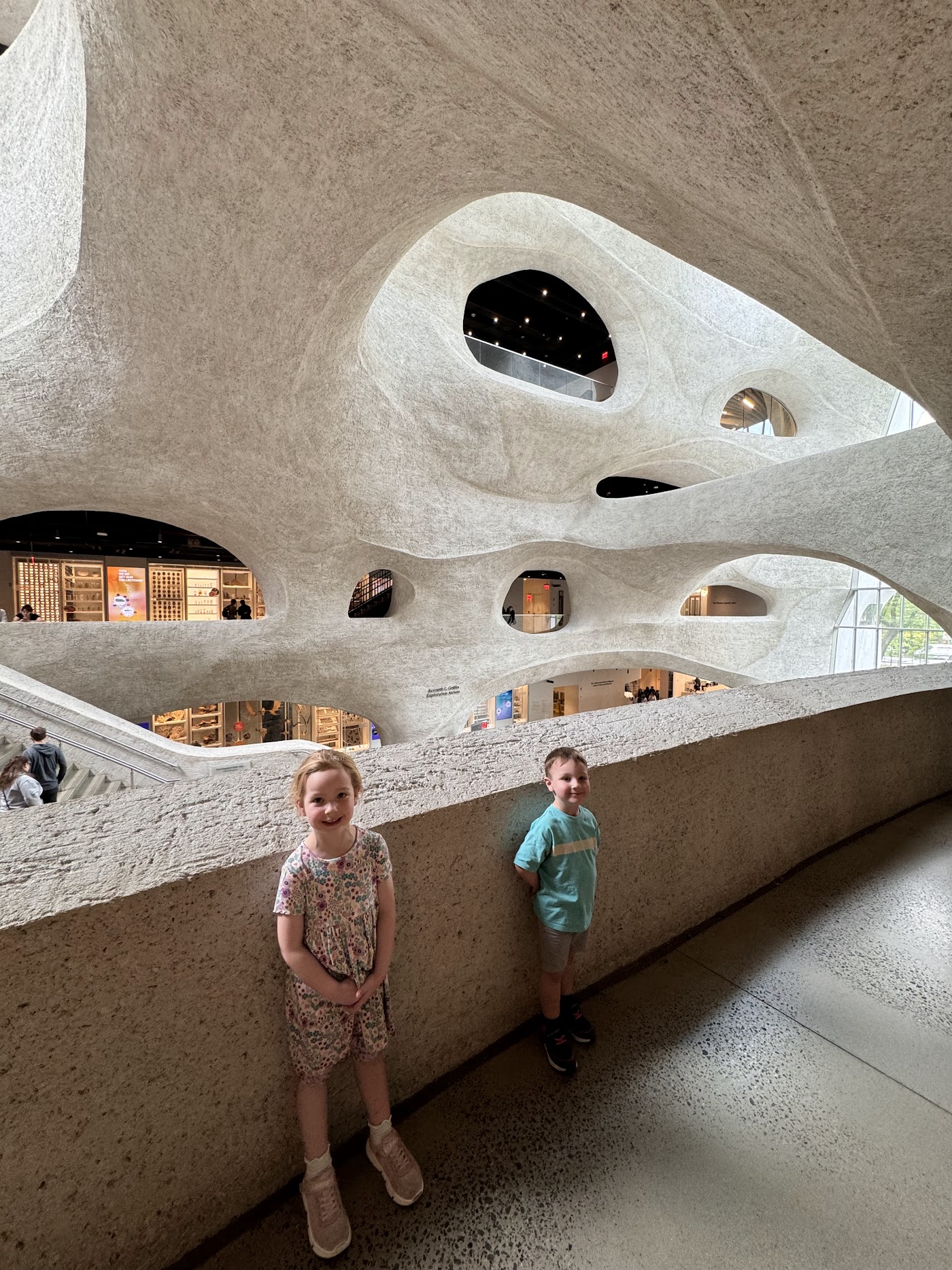
The classic stroller trip: 72 St (1/2/3) is accessible, with elevators in the station house on Broadway between 72nd and 73rd Streets. It's about 0.5 mile to the museum, roughly nine minutes, or a bit more with a six year old negotiating with the sidewalk. The B (weekdays only) and C stop at 81 St, right by the museum, but that station isn't accessible, per the museum. Strollers are welcome throughout, except in theaters; double strollers aren't allowed in ticketed exhibition galleries.
Practical
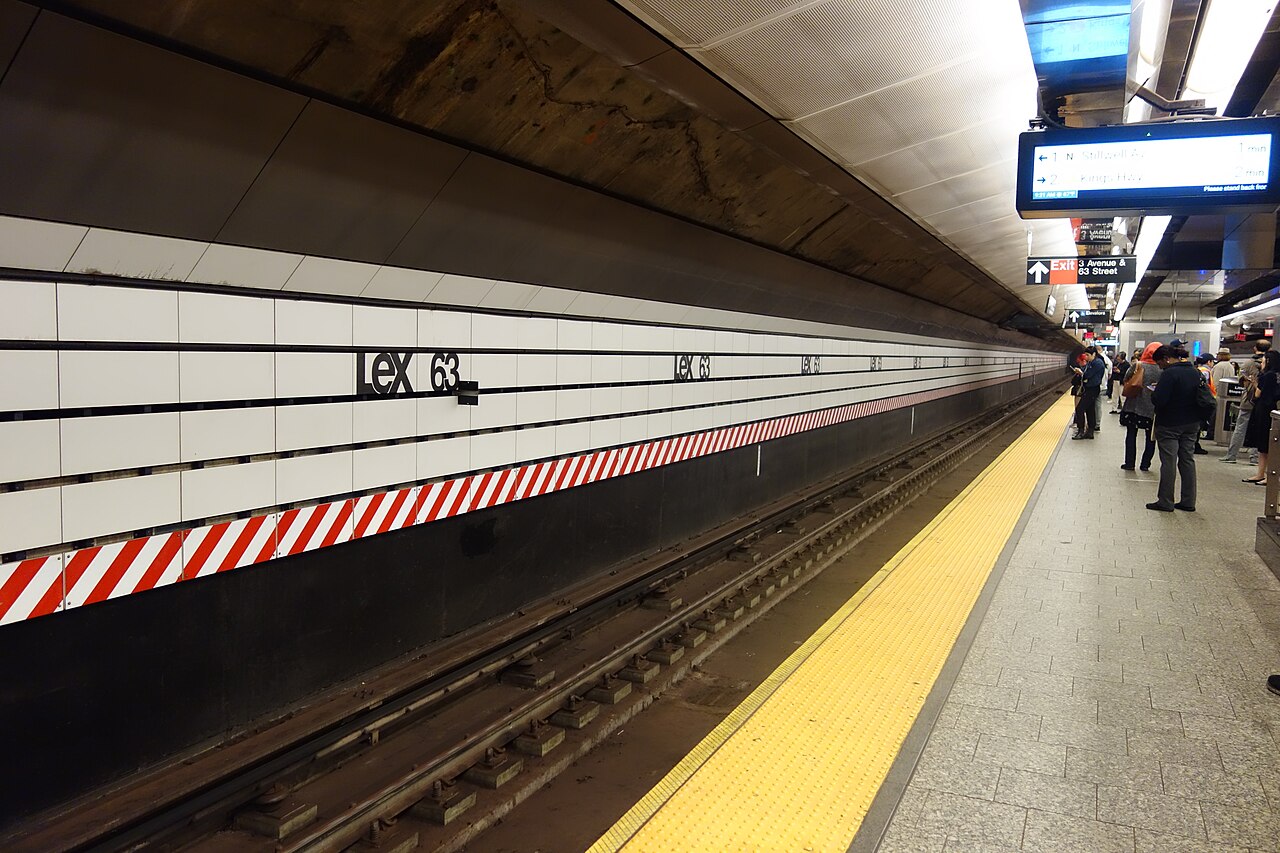
Many visitors never ride the Q up Second Avenue, and they should: the 72 St, 86 St and 96 St stations are all listed as accessible, as is Lexington Av/63 St (Q), which is about 0.4 mile from the Central Park Zoo. The MTA also lists restrooms at the three Second Avenue stations (2 Av entrances) and at Lexington Av/63 St.
Practical
The cautionary tale. The MTA lists the N/Q/R/W and L platforms as accessible, but not the 4/5/6, so it's one big station on the map and two different worlds in practice. The elevator is on the northeast corner of 14th Street and Union Square East. Check which platform you're on before you board.
Practical
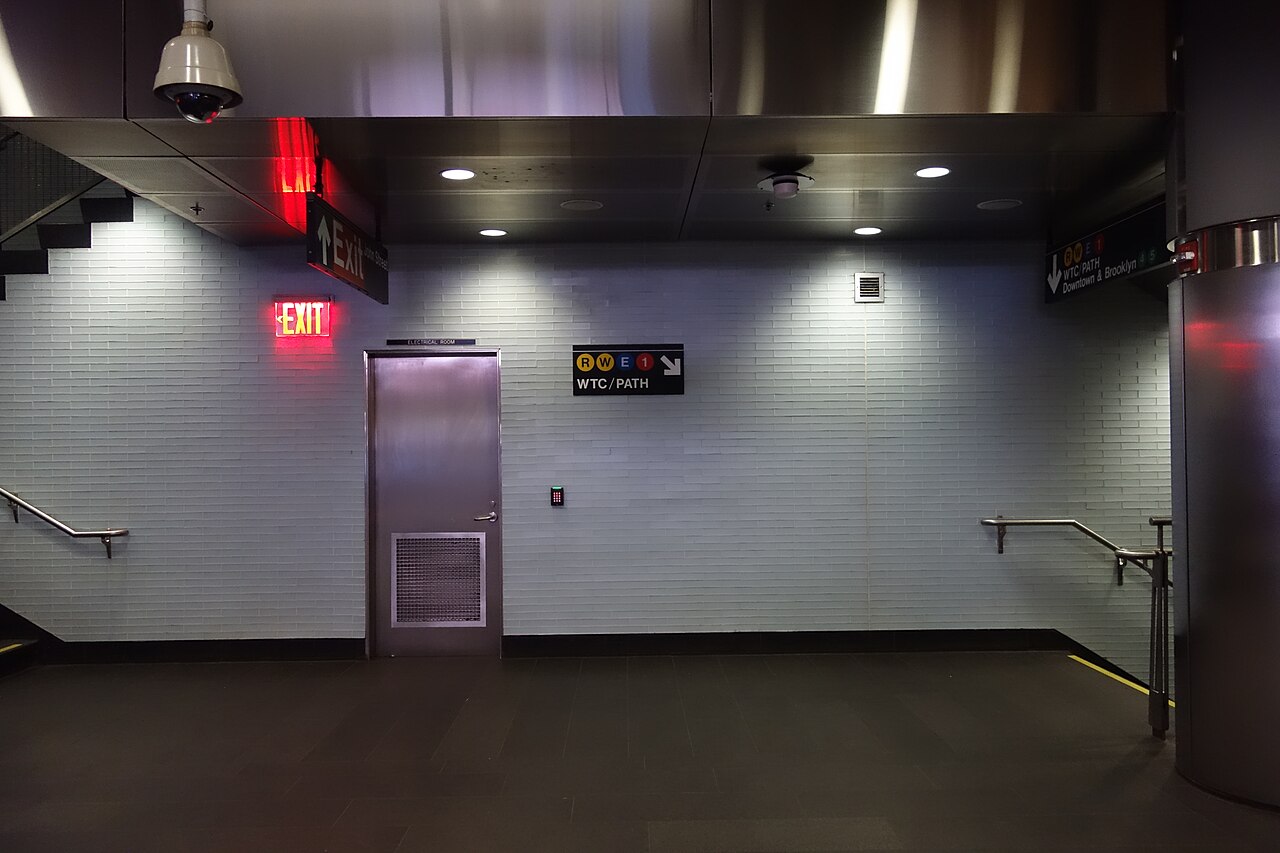
The Fulton Center complex serves the 2/3/4/5, A/C and J/Z, and the MTA lists all of them as accessible, with elevators on the southwest and northeast corners of Dey Street and Broadway. World Trade Center is a short walk west, and WTC Cortlandt (1) and World Trade Center (E) are listed as accessible too.
Practical
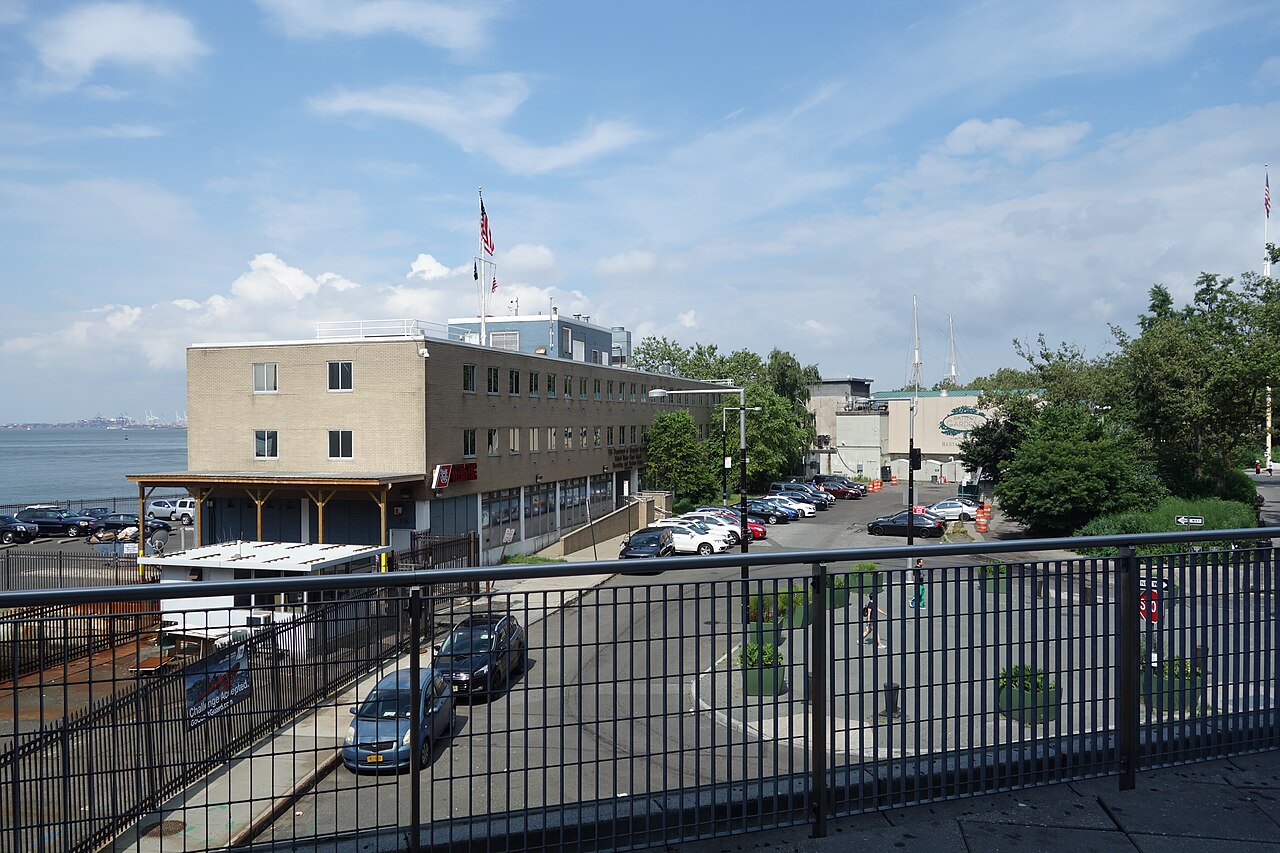
South Ferry (1) is listed as accessible, with an elevator on the southeast corner of State Street and Whitehall Street; Whitehall St-South Ferry (R/W) is not. The Staten Island Ferry is free every day of the week, year round, per the city's DOT, which makes it the cheapest harbor view in New York. The DOT's page doesn't spell out stroller details, so ring the Passenger Service Office on 212-839-3061 if you need certainty.
Practical
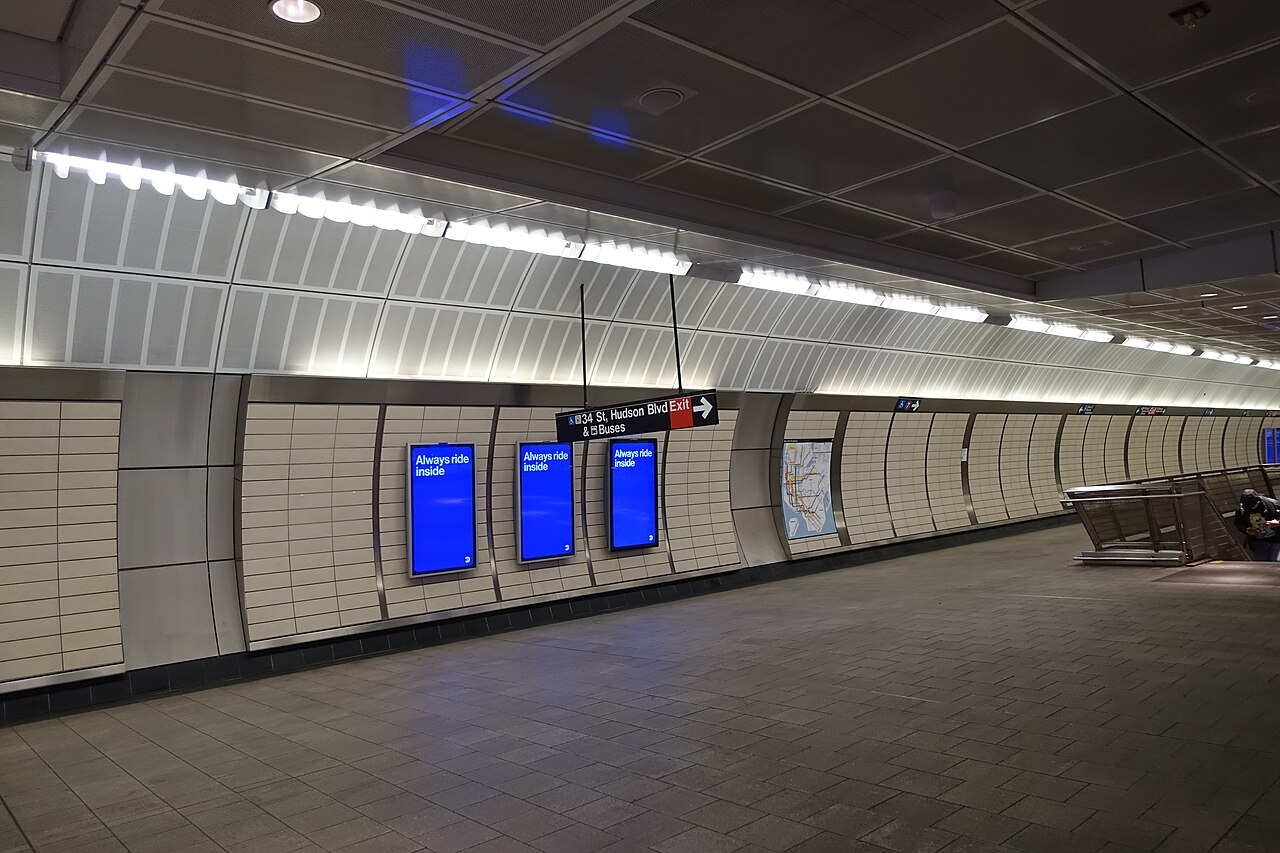
A modern accessible station and a good way to reach the High Line's north end, Hudson Yards or the Intrepid Museum, about 0.6 mile away in a straight line. The MTA lists the elevator inside Hudson Yards on the south side of 34th Street between 10th Avenue and Hudson Boulevard East.
Practical
The tram takes standard MTA fares, including OMNY tap-to-pay, and the island's operator says its cabins are accessible for riders with mobility devices, strollers and bicycles. The Manhattan station is at East 60th Street and Second Avenue. It runs Sunday to Thursday 6am to 2am and Friday and Saturday 6am to 3:30am, every 7.5 minutes at rush hours and about every 15 minutes otherwise. The nearest accessible subway station is Lexington Av/63 St (Q), about 0.25 mile away; the 59th Street station (N/R/W) is closer but isn't accessible. It's the closest thing New York public transit has to a theme park ride, and it costs a subway fare.
Practical
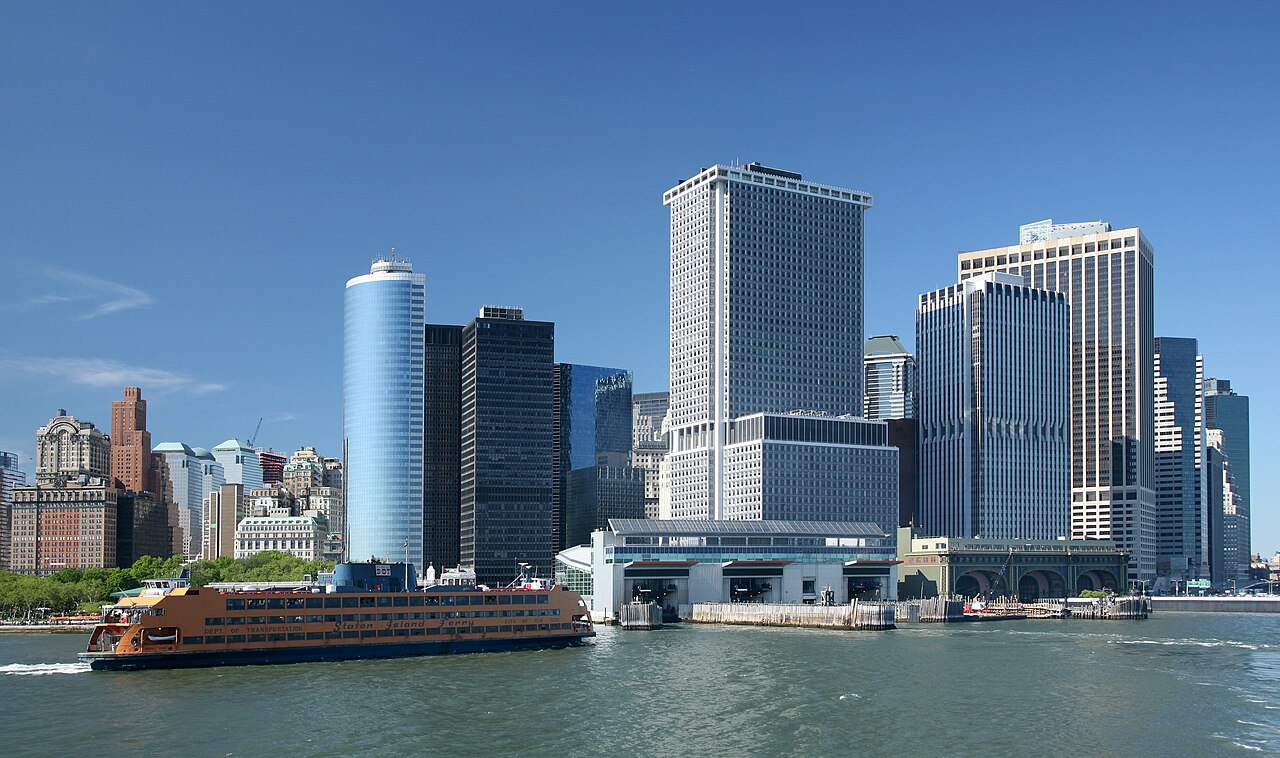
NYC Ferry runs routes across all five boroughs, from the East River and Astoria to Rockaway, St. George, Governors Island and Coney Island. A one-way adult fare is $4.00, and children under 44 inches ride free. The fares page doesn't mention strollers, so ask the crew before you board with a double. It's the lesser-known option for a family with a stroller: usually slower than the subway, with a seat and a view.
Practical
Jay St-MetroTech (A/C/F and R) is accessible, with an elevator at the northwest corner of Jay and Willoughby Streets, and so is Borough Hall (2/3/4/5). The Transit Museum, at 99 Schermerhorn Street, says its wheelchair entrance is at Schermerhorn and Court Streets and that the main entrance means two flights of stairs. It discourages heavy strollers and has a stroller parking area at the back.
Practical
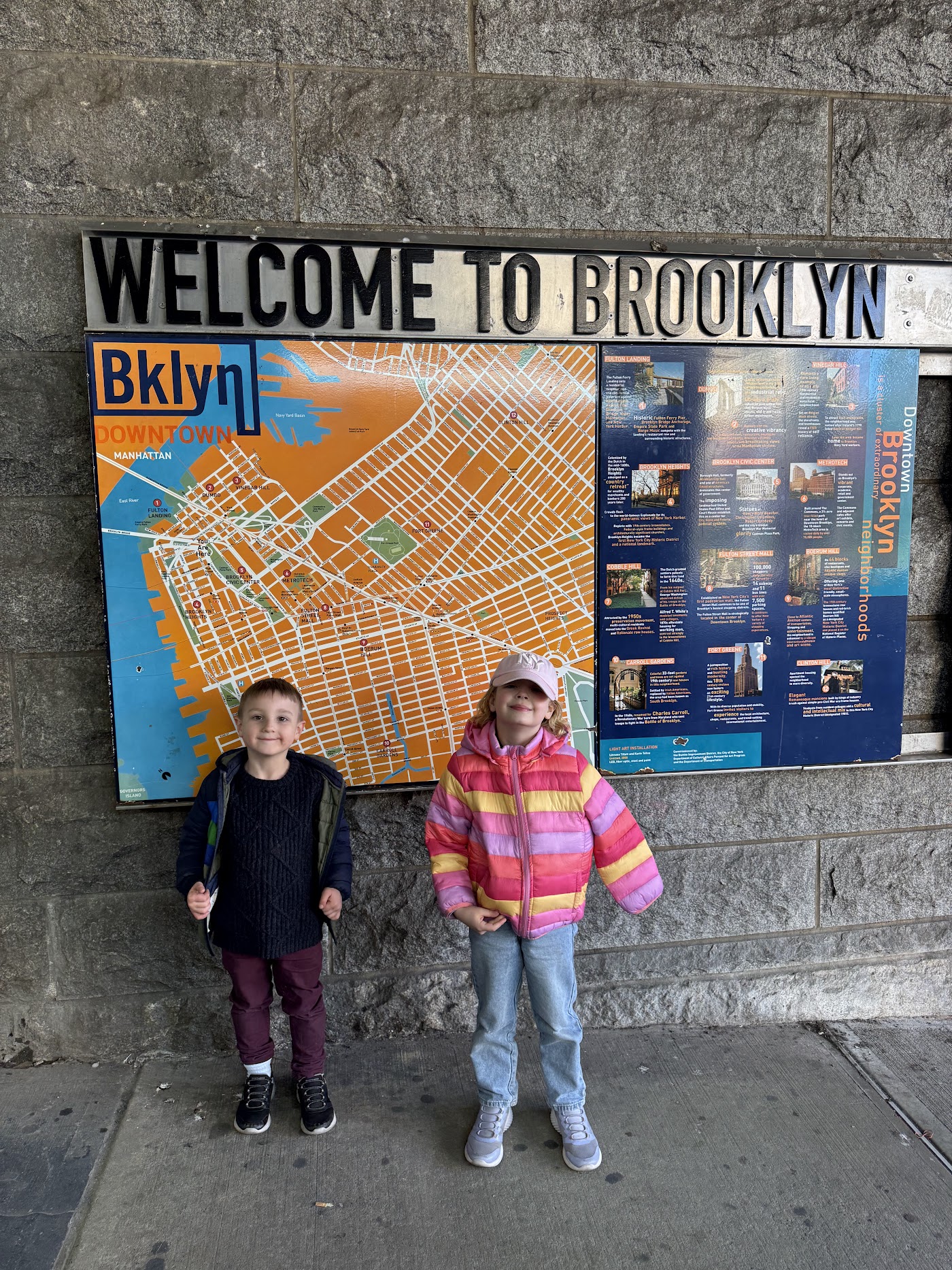
The 2/3 station is accessible, which the Brooklyn Museum confirms. The MTA puts the elevator at the museum's parking entrance on the south side of Eastern Parkway. It's about 0.2 mile from the Brooklyn Botanic Garden too. Strollers, except oversize and jogging ones, are allowed in most museum galleries.
Practical
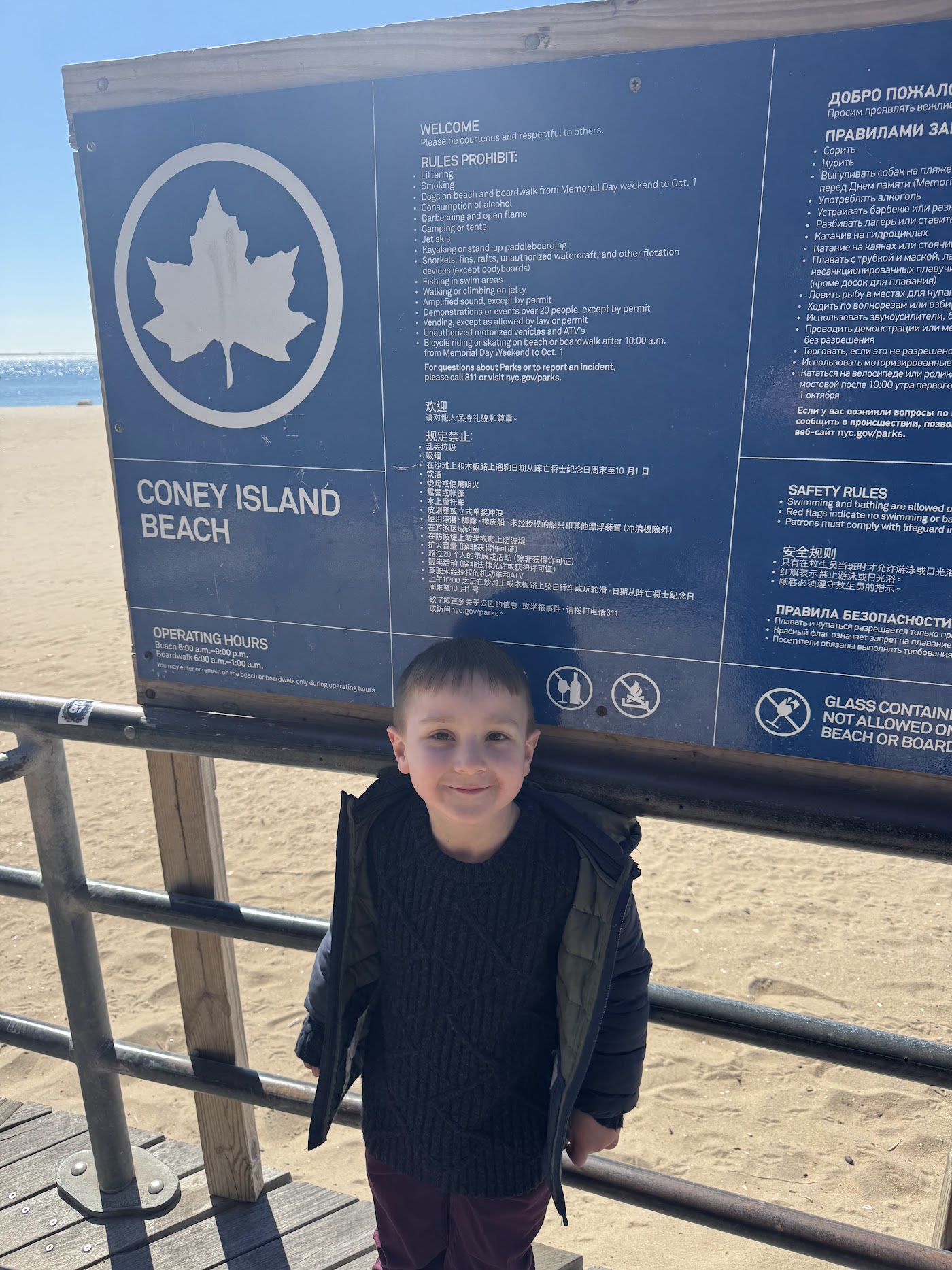
The last stop on four lines is accessible, and the MTA flags one trap: the ramp on the F/N/Q platform isn't ADA accessible, so use the elevator. Luna Park is about 0.2 mile away and the New York Aquarium 0.4 mile; the aquarium lists daily hours to 5pm through October 31 (last entry 4pm), then to 4:30pm from November 1.
Practical
E 180 St (2/5) is listed as accessible by the MTA, with an elevator at East 180th Street and Morris Park Avenue. The Bronx Zoo is about 0.6 mile away in a straight line, around 13 minutes on foot. Pelham Pkwy (2/5) is accessible too and is the one for the New York Botanical Garden.
Practical
Stairs-only stations, obviously: in the MTA's data most stations are stairs only. Known traps: the passage between Times Square and Port Authority has ramps that, the MTA says, don't meet ADA guidelines; Court St (R) in Brooklyn isn't accessible, so the Borough Hall transfer isn't either; and some stations are accessible in one direction only, such as 49 St (N/R/W, uptown only) and 50 St (C/E, downtown only).
Rush hour is the other one: a stroller on a packed platform at 8:30am is a very large object with a very small person in it. The MTA's advice is to stand back from the platform edge, especially as trains enter and leave, and never to go onto the tracks for any reason.
See also Where to find a restroom in Manhattan with kids, including the MTA stations that have one →
See also Central Park with kids: the subway stops, playgrounds and restrooms →
11 places. The map loads only when you ask for it, from OpenStreetMap.
Free, one short email a week. Thursday, 7am: the weather call, one proper day out and the family events worth leaving the apartment for this weekend, checked with the organizer. See the archive.
No spam, no ads. Unsubscribe from any email with one click. Privacy
Yes. The MTA's rider guide says strollers are allowed as long as you're using them to transport children. On stairs and escalators it asks you to fold the stroller and carry your child, and to use elevators when possible.
The MTA's rider guide allows strollers on trains and asks you to fold them on stairs and escalators; it says nothing about folding on the train itself. On buses, an open stroller goes in the designated area, one per bus; if that space is taken, you have to fold yours.
Up to three children under 44 inches tall ride free with a fare-paying adult on the subway and on local, limited, rush and Select Bus Service buses, per the MTA. The adult fare is $3.
Check the MTA's elevator and escalator status page before you leave and again before you change trains. It defaults to showing stations with outages, and you can sign up for free alerts.
The MTA lists accessible stations on its accessibility pages, updated September 14, 2026. In its data, 125 of 445 station complexes are fully accessible and 15 are partly accessible, so most are stairs only.
Yes. The MTA says every local and Select Bus Service bus in the NYCT fleet will have a designated area for one open stroller by the end of 2026. Secure your child, apply the brakes and keep the aisle clear; if the space is in use, fold yours.
Yes. The city's DOT says it provides free service between Staten Island and Lower Manhattan every day of the week, year round. South Ferry (1) is the accessible subway station nearby.
Facts checked against 18 pages on Monday, October 5, 2026. Opening times and prices change, so confirm with the venue.