NYC Marathon 2026 With Kids: Where to Watch and Where to Escape
Fifty thousand runners, packed sidewalks and one child who needs a restroom. The quiet miles, the elevators and the playgrounds a block from the course.
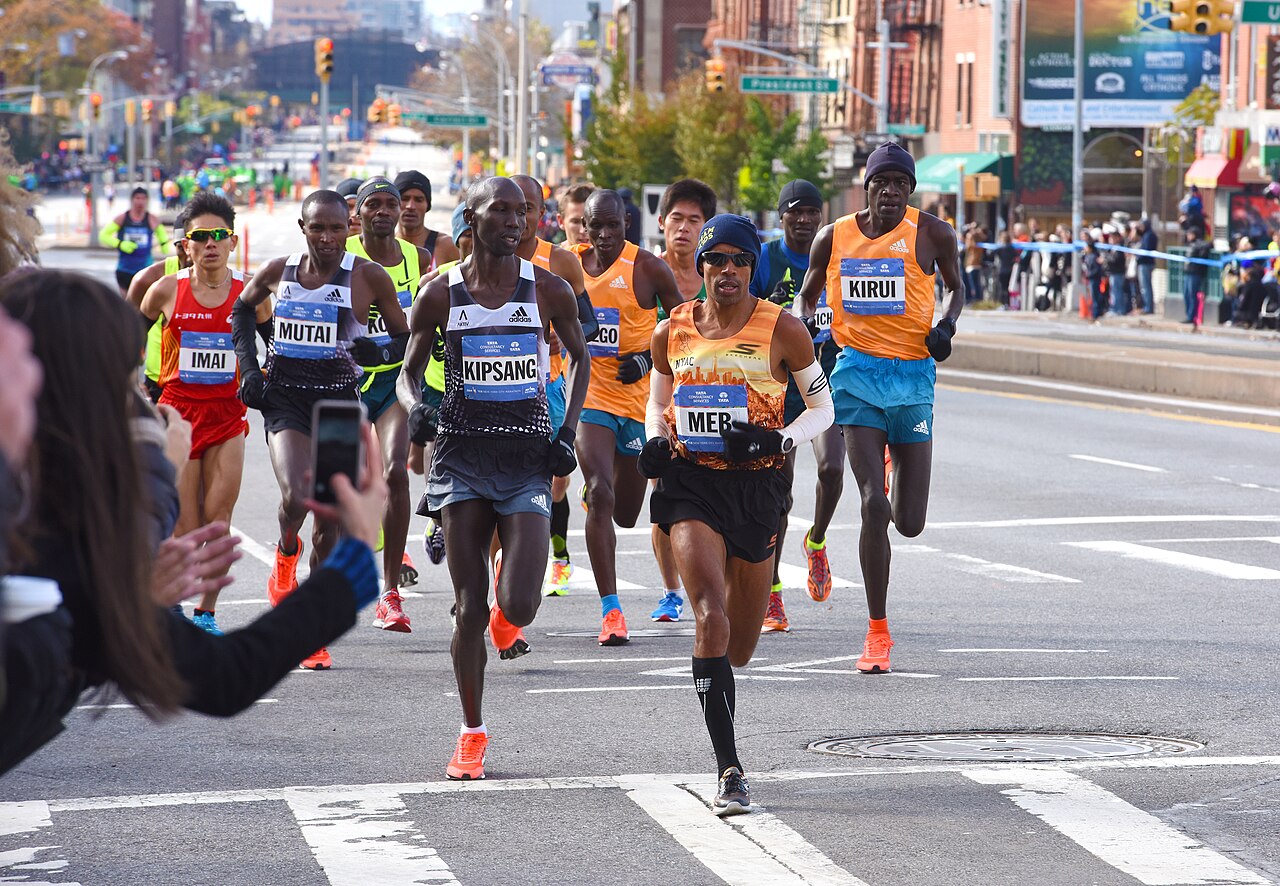
Fifty thousand runners, packed sidewalks and one child who needs a restroom. The quiet miles, the elevators and the playgrounds a block from the course.
The TCS New York City Marathon is on Sunday, November 1, 2026, starting at 8am on Staten Island and finishing in Central Park. The best places to watch with kids are the early miles on Fourth Avenue in Bay Ridge and Sunset Park, Brooklyn, with Owl's Head Park and Sunset Park nearby for a playground break, plus Long Island City at halfway and Thomas Jefferson Park in East Harlem. Avoid First Avenue below 86th Street and the Central Park finish with small children.
The TCS New York City Marathon is on Sunday, November 1, 2026, and if you are wondering where to watch the NYC marathon with kids, the short version is: not First Avenue, not the Central Park finish, and not anywhere you cannot leave. Fifty thousand runners cross five boroughs, the sidewalks are packed from Bay Ridge to Columbus Circle, and somewhere in the middle of it a six-year-old needs a restroom. This is the guide we wished we had: the quieter miles, the subway stops with elevators, the playgrounds a block from the course, and the truth about crossing the route with a stroller (you mostly can't).
One thing first. The clocks go back that morning: US daylight saving time ends at 2am on Sunday, November 1. Set the kitchen clock as well as your phone, and remember that a child who normally wakes at 6:30 will now wake at 5:30 and consider it a personal achievement.
The first starts are at 8am on the Staten Island side of the Verrazzano-Narrows Bridge: the professional wheelchair racers, then the professional fields, then the big waves of everyday runners through the rest of the morning. The last wave leaves late in the morning, which is the detail that matters for a family: the race is not a pack that passes in ten minutes. Runners stream through Brooklyn from mid-morning until early afternoon, and through Manhattan and the Bronx into mid-afternoon.
A rough planning guide, and I do mean rough: the leaders pass mile 8 in Brooklyn before 10am and finish a little after 11am. A four-hour runner in the first wave reaches Bay Ridge around 9:30am, Williamsburg close to 11am, First Avenue around noon and the finish about 1pm; add an hour or so for each later wave. The free NYRR app (built by TCS) follows any runner by bib number across the timing mats at every 5K, so you know when to stop buying pretzels and start shouting. Check the start schedule on nyrr.org the week of the race, because it shifts a few minutes from year to year.
Staten Island, over the Verrazzano-Narrows Bridge (closed to spectators) into Bay Ridge at mile 2, up Fourth Avenue to mile 8, along Lafayette Avenue past Fort Greene Park, up Bedford Avenue through Williamsburg and Greenpoint to the Pulaski Bridge at halfway. Two miles of Long Island City, the Queensboro Bridge onto First Avenue at mile 16, the Willis Avenue Bridge into the Bronx for mile 20, the Madison Avenue Bridge back into Harlem, down Fifth Avenue to Central Park at 90th Street, out along Central Park South, around Columbus Circle and in to the finish at 67th Street by Tavern on the Green. New for 2026: New York Road Runners has straightened the Bronx mile through Mott Haven, cutting seven turns to five to reduce, in its words, the race's effect on the neighborhood.
The famous spots (First Avenue in the 70s, Fifth Avenue by the park, the last mile on Central Park South) are five and ten deep by late morning, and a child at knee height sees a wall of backs. The early miles in Brooklyn are the opposite: wide sidewalks, a party on every stoop, a brass band on a corner, and runners still fresh enough to high-five. That is where we would take ours, with a playground within three blocks of the course, which is the whole trick to a happy marathon day.
Runners come off the bridge ramps onto Fourth Avenue around 92nd Street and run north past 86th, 77th and Bay Ridge Avenue. The sidewalks are broad, the crowd is local, and the field is still bunched together, so there is always someone to cheer. Stand on the east side if your subway home is the R, and you will not need to cross.
The runners have 24 miles to go, so the mood is giddy rather than grim. Bring a sign. Children with signs get waved at; children without signs get waved at slightly less, and they notice.
Practical
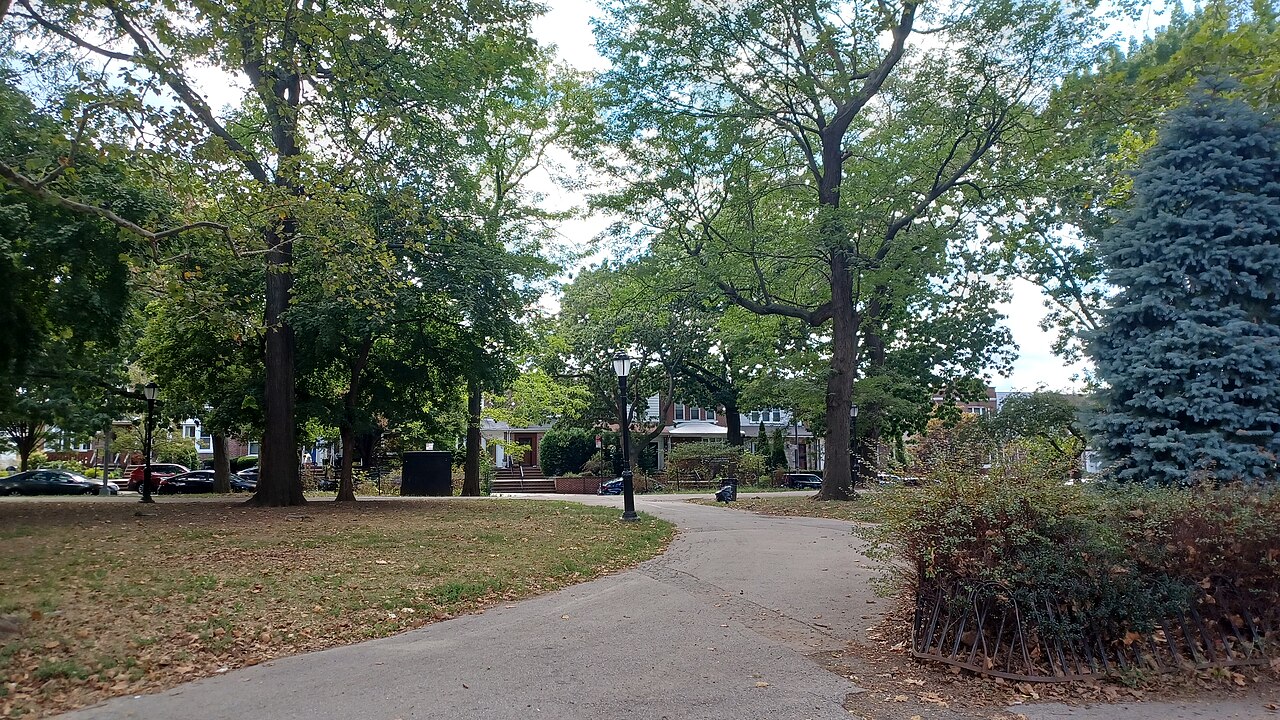
Three blocks west of Fourth Avenue at 68th Street, Owl's Head Park is a 24-acre hill with a playground, basketball courts, a skate park, a dog run and a view across the harbor to the Verrazzano-Narrows Bridge the runners have just crossed. Watch the bridge from the top, then walk down to the course at Bay Ridge Avenue in ten minutes: the only free bridge view on the route, plus a playground for the moment cheering stops being interesting. The hill is a real hill, so a stroller is a workout going up and a brake test coming down.
Practical
The park that names the neighborhood sits between 41st and 44th Streets, two blocks up the hill from Fourth Avenue, with a big playground on the Sixth Avenue side and a view over the harbor and the Manhattan skyline that people pay $40 for from a rooftop. Playground first, then down to the course at 41st Street, where the crowd is thinner than in Park Slope and Fifth Avenue has bakeries for the second breakfast every child demands by 10:30am. The recreation center and pool building are closed to the public at the time of writing, so do not count on their restrooms.
Practical
The turn from Fourth Avenue onto Lafayette Avenue is one of the loudest corners in Brooklyn, with bands and church choirs. Fort Greene Park is a block north: 30 acres on a hill with the Prison Ship Martyrs' Monument (a 149-foot column that children will ask about, so have an answer ready) and playgrounds on the DeKalb Avenue side. Cheer between Fort Greene Place and Clinton Avenue, then retreat up the hill when the noise gets too much. By 10:30am this stretch is busy, so with a small child go early and take a spot by a lamppost.
Practical
Bedford Avenue is the famous Brooklyn spot and earns it: cafes on the course, music from every doorway, and runners who are starting to look like they are working, so the cheering counts for more. The sidewalks by the Bedford Avenue L stop are rammed by 11am. Walk north toward McCarren Park (playground, and a running track, the irony free) and the crowd thins to something a five-year-old can see over if you hoist them. Manhattan Avenue in Greenpoint at miles 12 and 13 is the quiet version of this mile, with Polish bakeries and the G train home. The Pulaski Bridge at halfway is closed to spectators.
Practical
Queens gets two and a half miles between the Pulaski Bridge and the Queensboro Bridge, and most spectators skip it, which is exactly why you shouldn't. The crowd on the Queens side of the Pulaski Bridge is friendly and thin, the sidewalks are wide, and the runners are at halfway, which means they still wave. The double cheer is the classic marathon move: see your runner at mile 13 here, take the 7 to Grand Central and the 6 or Q up to the 80s or 90s, and see them again at mile 17 or 18. It works with a stroller if you use the accessible stations and leave the moment they pass.
Practical
First Avenue is the marathon's great wall of sound, from the Queensboro Bridge at 59th Street up to 125th. The crowd in the 60s and 70s is enormous and the bars open early, which is not a children's event in any sense. Go north. The 90s and 100s are still loud but you can reach the barrier, and East Harlem in the 110s has music on the corners and a playground on the course. Then the Bronx, the Harlem loop, Fifth Avenue and the finish, each with an escape a few minutes' walk away.
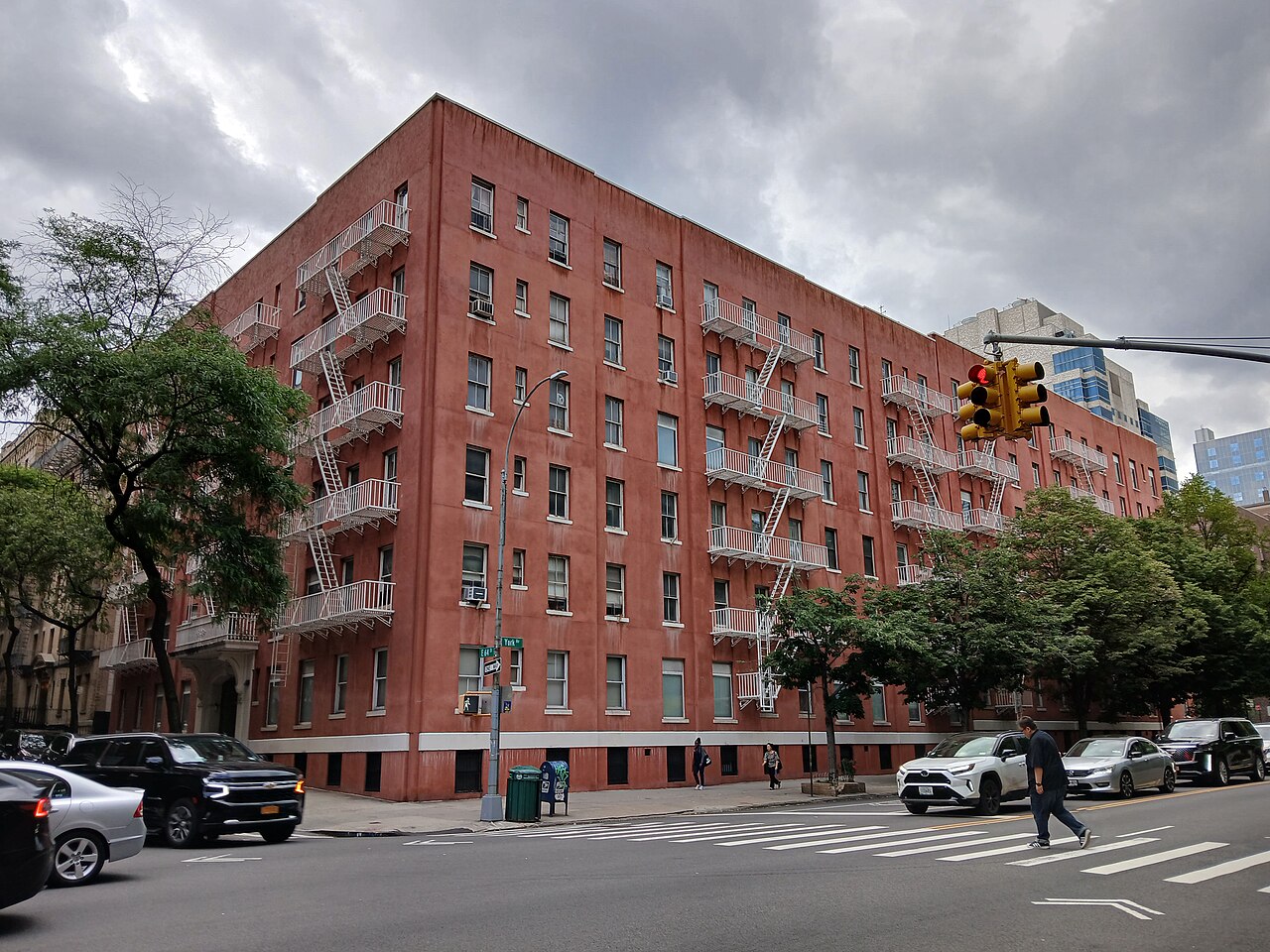
If you must do First Avenue, and someone will, do it above 86th Street and stand on the east side, because the Q train stops at 72nd, 86th and 96th Streets are that way and all have elevators. Below 80th the crowd is dense from before 10am until mid-afternoon, and a child in a stroller sees nothing but legs. The escape is Carl Schurz Park, four avenues east between 84th and 90th Streets: a flat river promenade, two dog runs, Gracie Mansion (less exciting than the dogs) and the Catbird Playground at the 84th Street end.
Practical
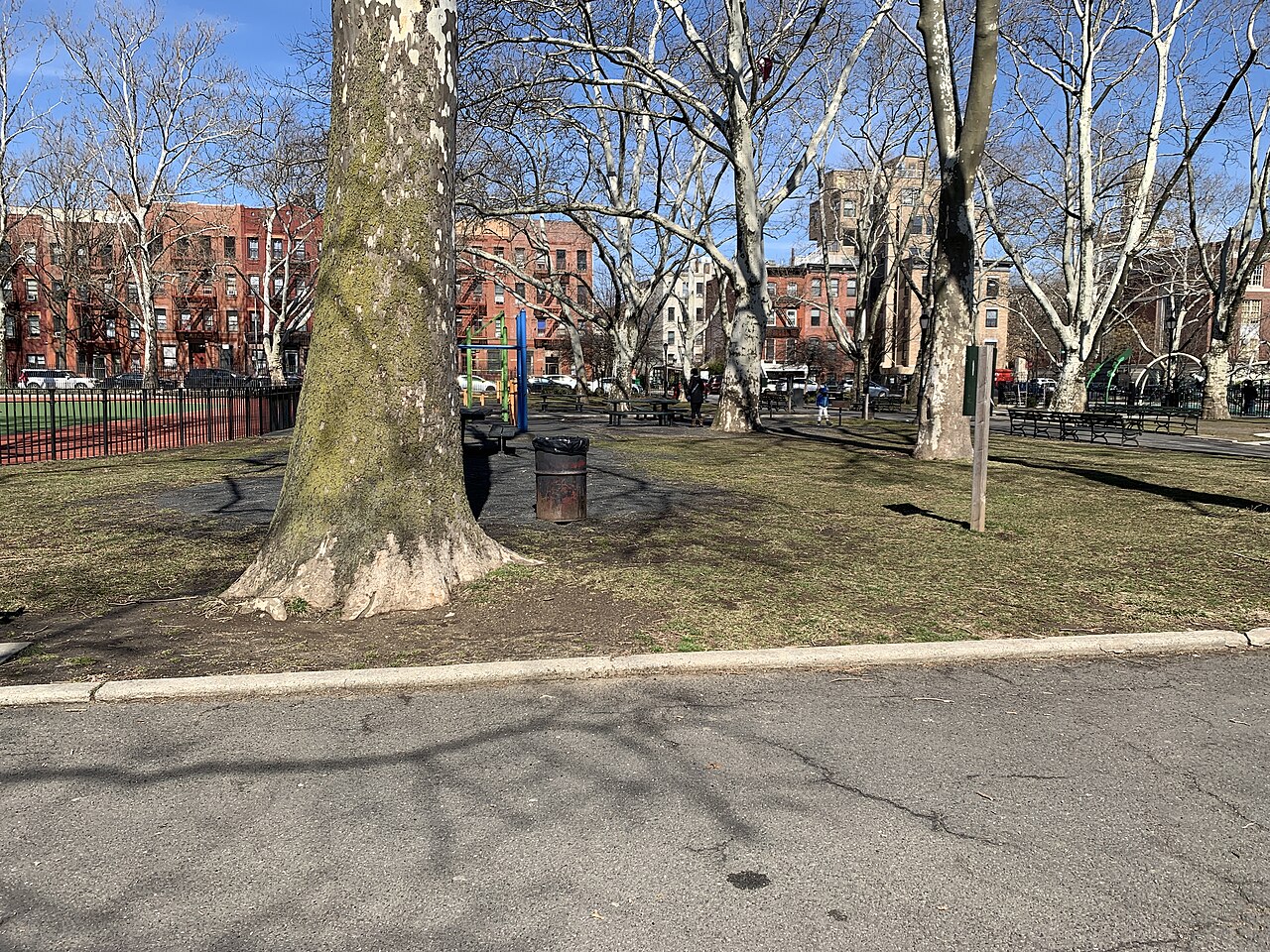
Right on the course at First Avenue between 111th and 114th Streets, Thomas Jefferson Park is the marathon's best-kept family secret in Manhattan: 15 acres with a playground at First Avenue and 111th, a second on the Pleasant Avenue side, and a public restroom installed in 2025. Cheer from the sidewalk by the park, then step twenty yards back into the playground when a small person needs to swing. East Harlem at miles 18 to 20 has bands and salsa on the corners and a far more local feel than the 70s. The runners are tired here. Shout their names (printed on the bibs) and watch them straighten up.
Practical
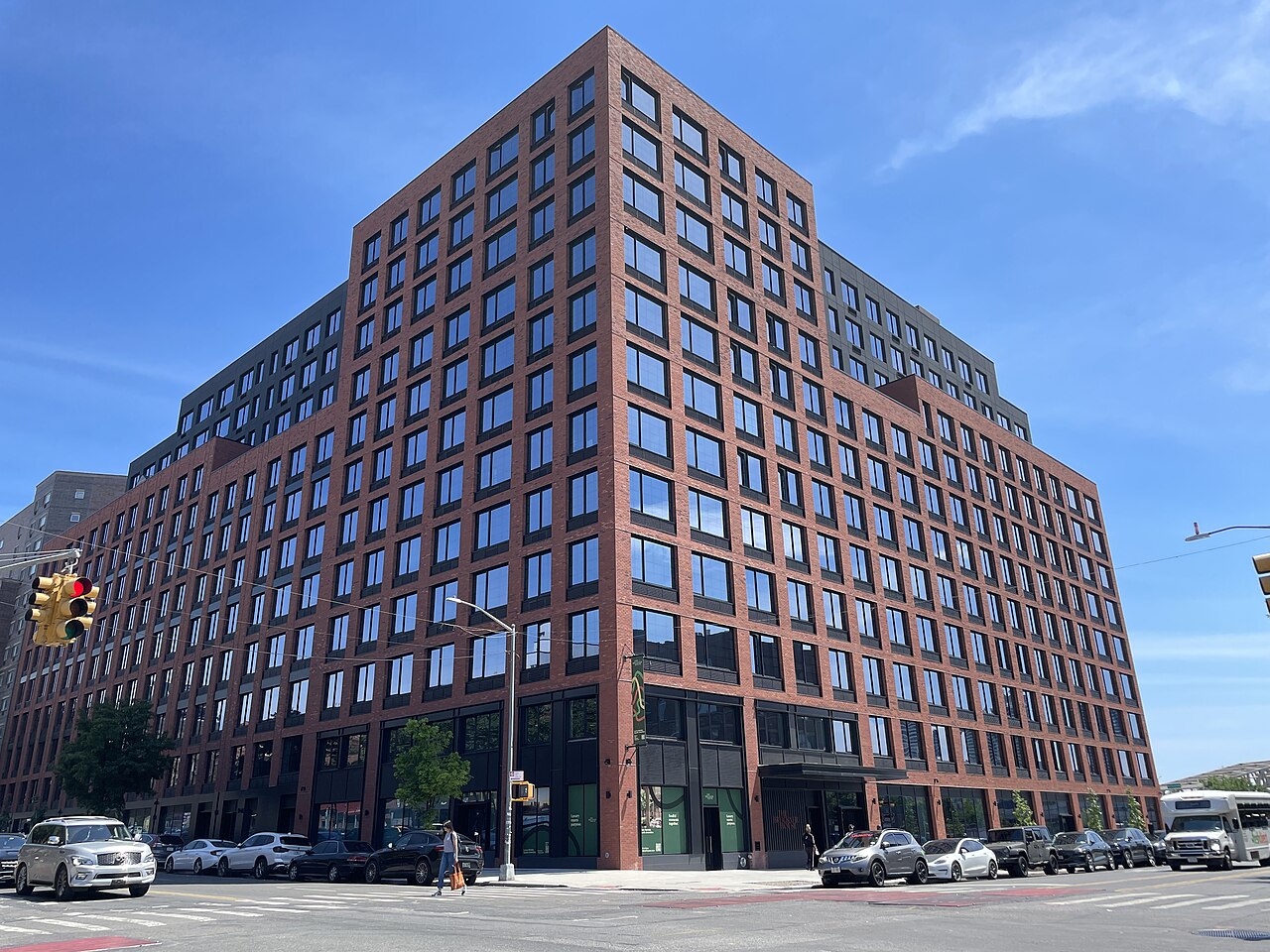
The Bronx mile is new for 2026 and worth the detour for the most heartfelt cheering on the course. Runners cross the Willis Avenue Bridge, turn onto Alexander Avenue and run straight up to 141st Street past the brownstones of the Mott Haven historic district, then over to Third Avenue and 138th Street and the Madison Avenue Bridge. Mile 20 is where marathons are won and lost, and the Bronx crowd knows it: loud, personal and kind. Willis Playground sits between Willis and Alexander Avenues at 140th Street, a block from the course. The subway here has stairs only, so fold the stroller or bring a carrier.
Practical
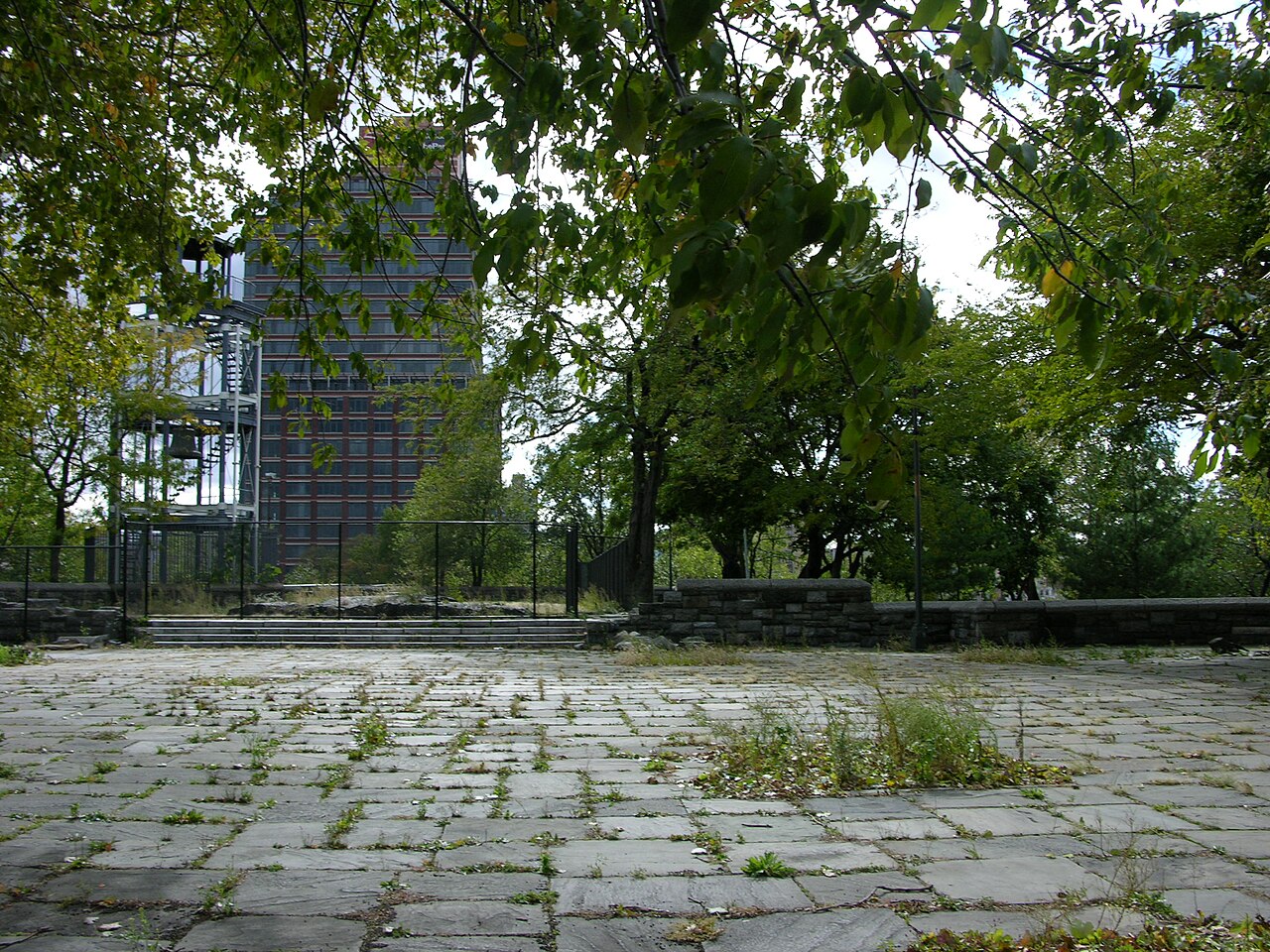
After the Madison Avenue Bridge, runners come down Fifth Avenue and loop around Marcus Garvey Park on Mount Morris Park West between 124th and 120th Streets. The park is a rock outcrop with the city's last cast-iron fire watchtower on top (1856, bell still in place), two playgrounds, an amphitheater and a Little League field, and the course wraps around its west side, so you can watch from the park's edge and play inside it without crossing anything. Lesser known for a reason that makes no sense: it is one subway stop from the Fifth Avenue crush and a tenth as busy.
Practical
From 105th Street down to the Engineers' Gate at 90th, Fifth Avenue is the last big outdoor cheering spot before the park, and everything north of 96th is quieter than everything south of it. The Vanderbilt Gate at 105th opens onto the quietest six acres in Central Park: three formal gardens, fountains, and a Quiet Zone rule that keeps out ball games and, usefully, marathon noise. Open 8am to 5pm from November, restrooms 8am to dusk. Step off Fifth Avenue mid-cheer, walk ten minutes among the late chrysanthemums, and come back out with a child who has stopped vibrating. The Bernard Family Playground is just inside the park at 108th Street if the quiet does not last.
Practical
The final mile runs along Central Park South to Columbus Circle, where runners round the corner at 59th Street and re-enter the park for the finish at 67th Street on the West Drive. Columbus Circle is the last public spot and it is heaving from late morning to late afternoon. The finish itself is behind barriers: ticketed grandstand seating, a limited standing area on the approach, and no spectator access north of the grandstands. You will not wander up to the finish line with a stroller. Buy grandstand tickets from NYRR well ahead if you must, and read the bag rules on nyrr.org the week before. Our honest advice is to skip it with small children and see your runner at mile 2 or mile 13 instead. The finish is for the runner.
Practical
Mostly, you don't. The course is a river for six hours. Police and marshals open crossing points at some intersections when there is a gap in the field and close them the moment the next clump arrives, so a family that needs to cross will wait, and a family with a stroller will wait longer. Decide which side of the course you want to end up on before you arrive, get there early, and stay there.
See also The NYC subway with a stroller: elevators, etiquette and what to avoid →
All of them, with twists. The MTA runs a near-normal Sunday service with extra trains near the finish and platform controllers at the busy stations; in 2025 northbound 1 trains ran express between 96th and 145th Streets and northbound 6 trains between Grand Central and 125th Street during the race. The 2026 details usually appear on mta.info the week before. Buses are the thing that breaks: anything that crosses the course is detoured for hours, so our rule on marathon Sunday is subway or feet, never bus. Spectators cannot get to the start at Fort Wadsworth, so see a runner off at the Staten Island Ferry terminal with a coffee and a wave.
See also Every playground in New York on one map →
Restrooms are the marathon's great unsolved problem. The portable restrooms at the start are for runners, so the parks in this guide are doing double duty: Thomas Jefferson Park and Conservatory Garden have public restrooms, and on Bedford Avenue and First Avenue the cafes expect you to buy something first (buy something first). Our Manhattan restrooms guide has the museum lobbies and stores near Fifth Avenue and Columbus Circle.
Food is easier: bakeries on Fifth Avenue in Sunset Park, Polish bakeries on Manhattan Avenue in Greenpoint, everything on Lexington in East Harlem. Pack snacks anyway, because the moment a child sees a runner take a gel they will want a gel, and no, they cannot have a gel. Bring a blanket for the curb, layers (early November can be 40 degrees at 9am and 60 by noon), and a sign with the runner's name big enough to read at a jog.
See also Where to find a restroom in Manhattan with kids →
A marathon with children is a series of short cheers separated by snacks. Plan the snacks and the cheers take care of themselves.
See also Central Park with kids: a day plan, the playgrounds and the restrooms →
Checked October 6, 2026. Race date, route and the Bronx change confirmed with Time Out New York's reports of September 22 and 30, 2026, and the NYRR registration page; subway accessibility from the MTA station list; parks from NYC Parks, the Central Park Conservancy and Wikipedia where the Parks pages would not load. Start times move a few minutes each year, so read nyrr.org the week of the race.
12 places. The map loads only when you ask for it, from OpenStreetMap.
Free, one short email a week. Thursday, 7am: the weather call, one proper day out and the family events worth leaving the apartment for this weekend, checked with the organizer. See the archive.
No spam, no ads. Unsubscribe from any email with one click. Privacy
The early miles on Fourth Avenue in Bay Ridge and Sunset Park, Brooklyn: wide sidewalks, a local crowd, fresh runners who still wave, and Owl's Head Park and Sunset Park a few blocks away for a playground break. Long Island City at halfway and Thomas Jefferson Park in East Harlem are the quiet picks in Queens and Manhattan.
The first starts are at 8am on Sunday, November 1, 2026, with the professional wheelchair racers first, then the professional fields and the waves of everyday runners through late morning. Check the exact schedule on nyrr.org the week of the race. The clocks go back an hour that same morning.
Plan not to. Marshals open crossing points at some intersections only when there is a gap in the field. Pick the side of the course with your subway and playground on it, arrive before the road closes, and use a subway station with entrances on both sides of the avenue if you must get across.
All subway lines run a Sunday service with extra trains near the finish; in past years northbound 1 and 6 trains ran express on parts of the route. Buses that cross the course are detoured for hours. The MTA publishes race-day details on mta.info the week before.
Yes. The free NYRR app, built by TCS, lets you follow runners by name or bib number across the timing mats at the start, every 5K, halfway, mile 20 and the finish, so you know when they will reach you.
There are no spectator restrooms on the course itself. Use the parks: Thomas Jefferson Park on First Avenue and Conservatory Garden on Fifth Avenue have public restrooms, and cafes on Bedford and First Avenues will let you in if you buy something.
Only from ticketed grandstand seats or a limited standing area on the approach; there is no spectator access north of the grandstands. With small children it is easier to see your runner at mile 2 in Bay Ridge or mile 13 in Long Island City and meet them afterwards.
Hours, not minutes. With waves starting through late morning, runners stream through Brooklyn from mid-morning to early afternoon and through Manhattan and the Bronx into mid-afternoon, so you can arrive late and still have plenty to cheer.
Facts checked against 19 pages on Tuesday, October 6, 2026. Opening times and prices change, so confirm with the venue.